The Basque Country establishes itself as a leading international hub for quantum computing
June 01, 2026The main hubs of the IBM Quantum network are in Donostia-San Sebastián. BasQ has led the meeting that brought together the seven most important hubs in the IBM network. The forum featured the participation of the President of the Basque Government, Imanol Pradales, at the official opening.
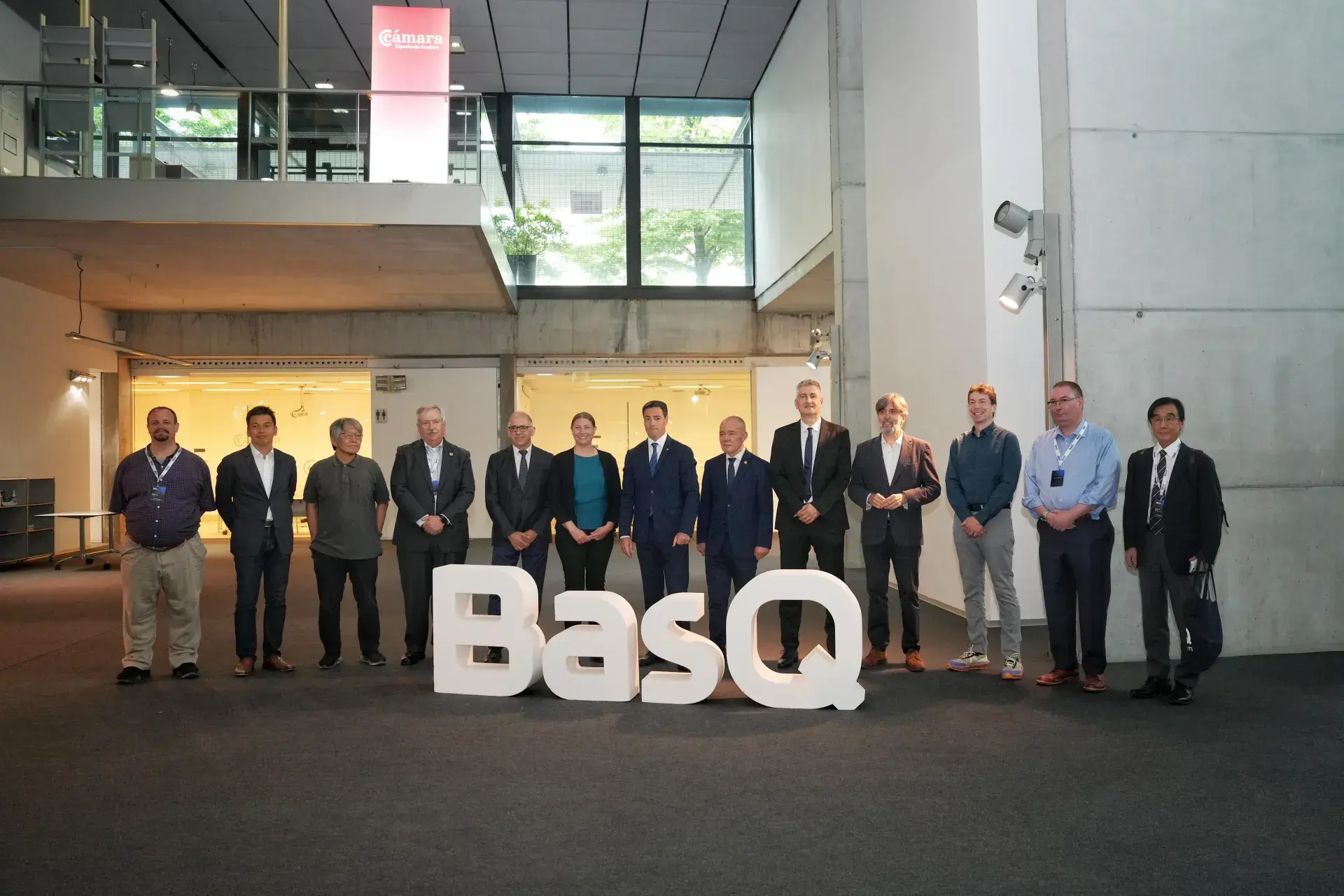
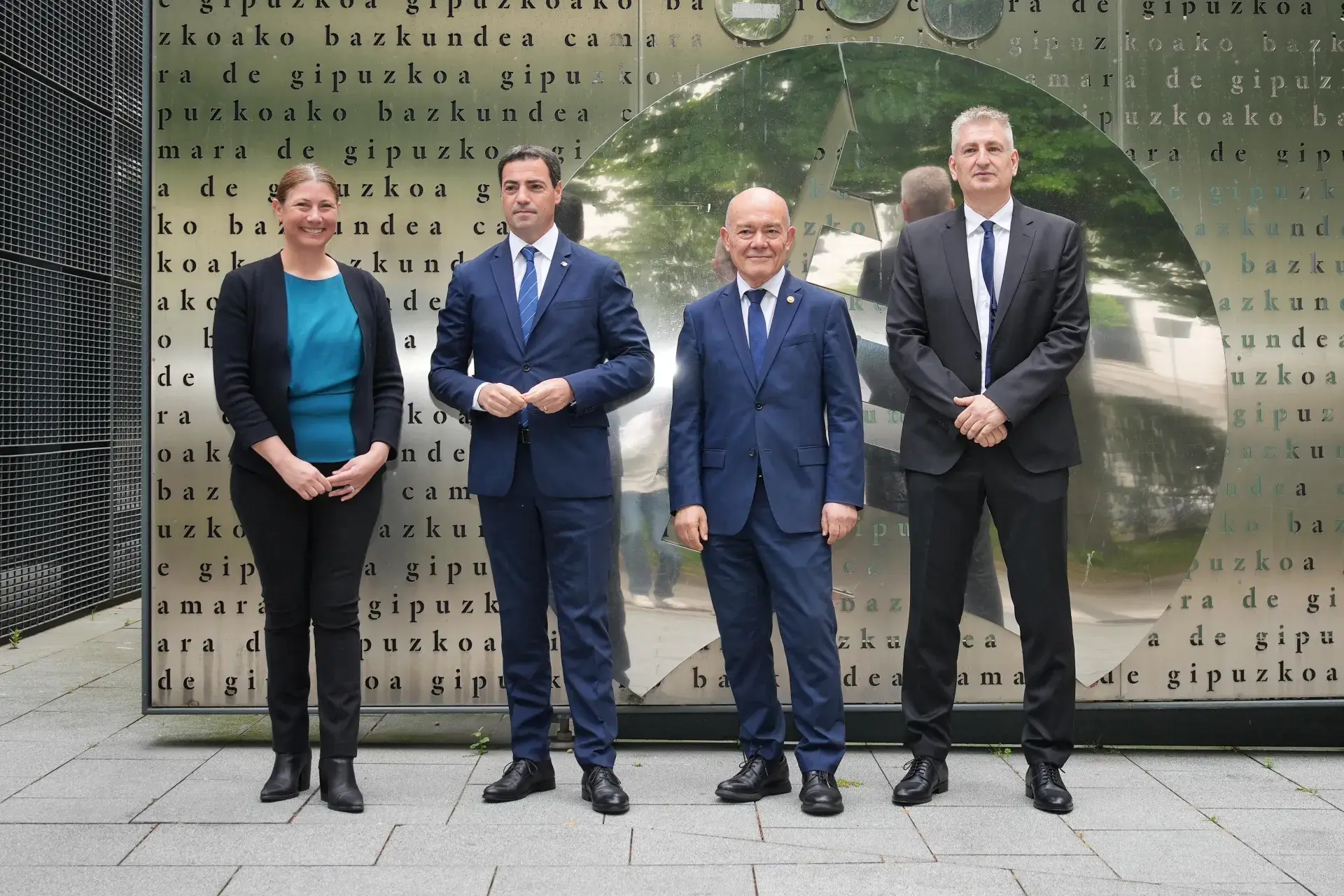
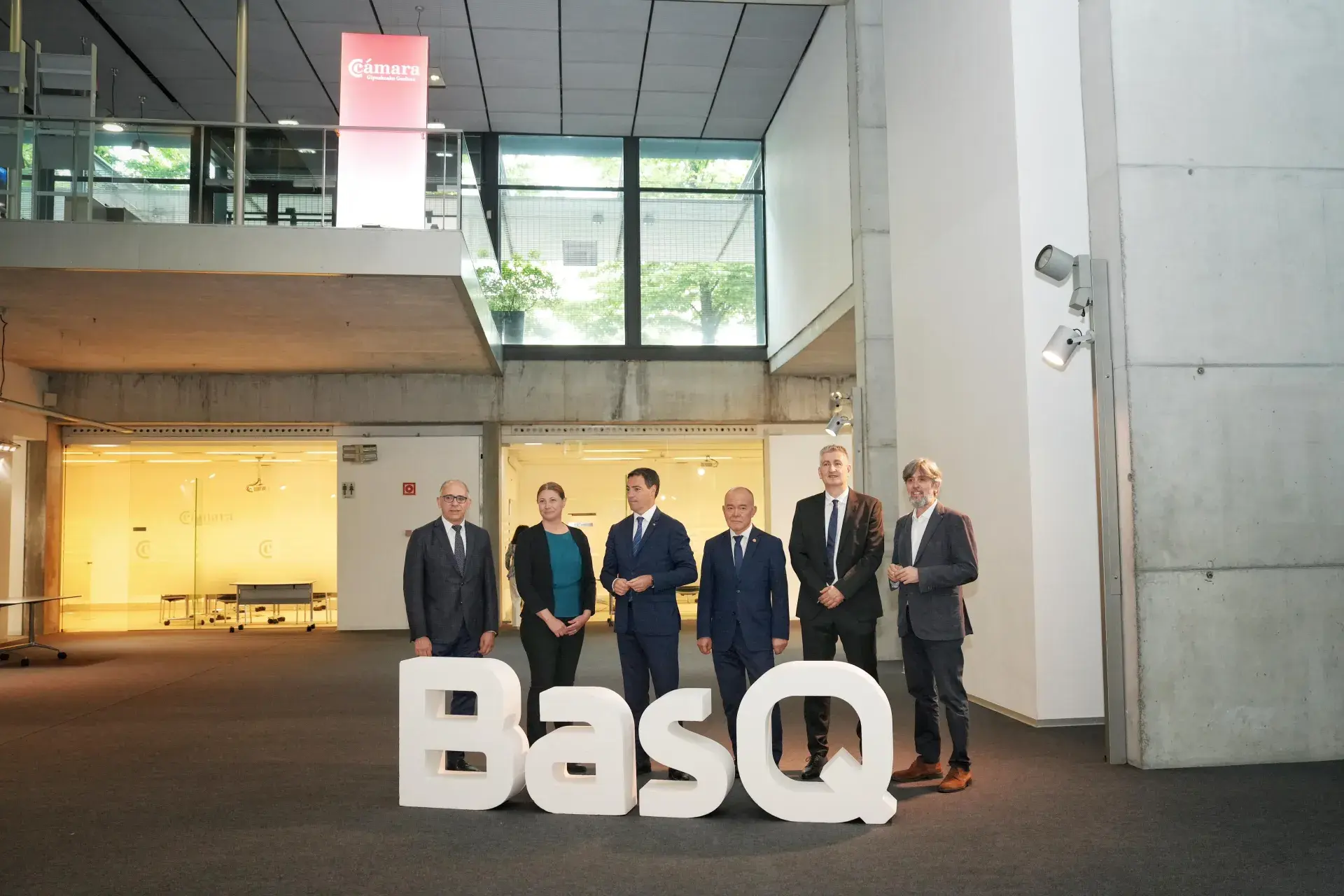
The Basque Country has established itself as an international leader in quantum computing with the QCC Forum, organized by BasQ, held today at the Gipuzkoa Chamber of Commerce. The forum featured prominent institutional representatives from the Basque Government, led by Lehendakari Imanol Pradales, who extended an official welcome to the attendees.
The Lehendakari was accompanied by the Minister of Science, Universities, and Innovation, Juan Ignacio Pérez Iglesias. The event also brought together representatives from the three Provincial Councils, reinforcing the institutional and international scope of the QCC Forum.
In his remarks, the Lehendakari highlighted the Basque Country’s strategic commitment to quantum technologies, a field poised to transform science, industry, and regional competitiveness in the coming years. He also noted that the development of these technologies requires a long-term vision, international collaboration, highly specialized talent, and world-class scientific and technological infrastructure.
In this regard, he emphasized the importance of events such as the QCC Forum for strengthening the Basque Country’s international standing, linking the BasQ strategy with the world’s leading quantum hubs, and generating new opportunities for scientific, technological, and industrial collaboration.
The QCC Forum thus constitutes a particularly significant milestone for the Basque Country and, in particular, for the BasQ – Basque Quantum strategy. Hosting this international event in Donostia / San Sebastián consolidates the Basque Country’s role as an active hub within the global quantum ecosystem and enables the Basque strategy to connect with some of the leading international centers within the IBM Quantum Network. Furthermore, it helps highlight BasQ’s ability to bring together science, talent, infrastructure, and industrial innovation around a shared national agenda.
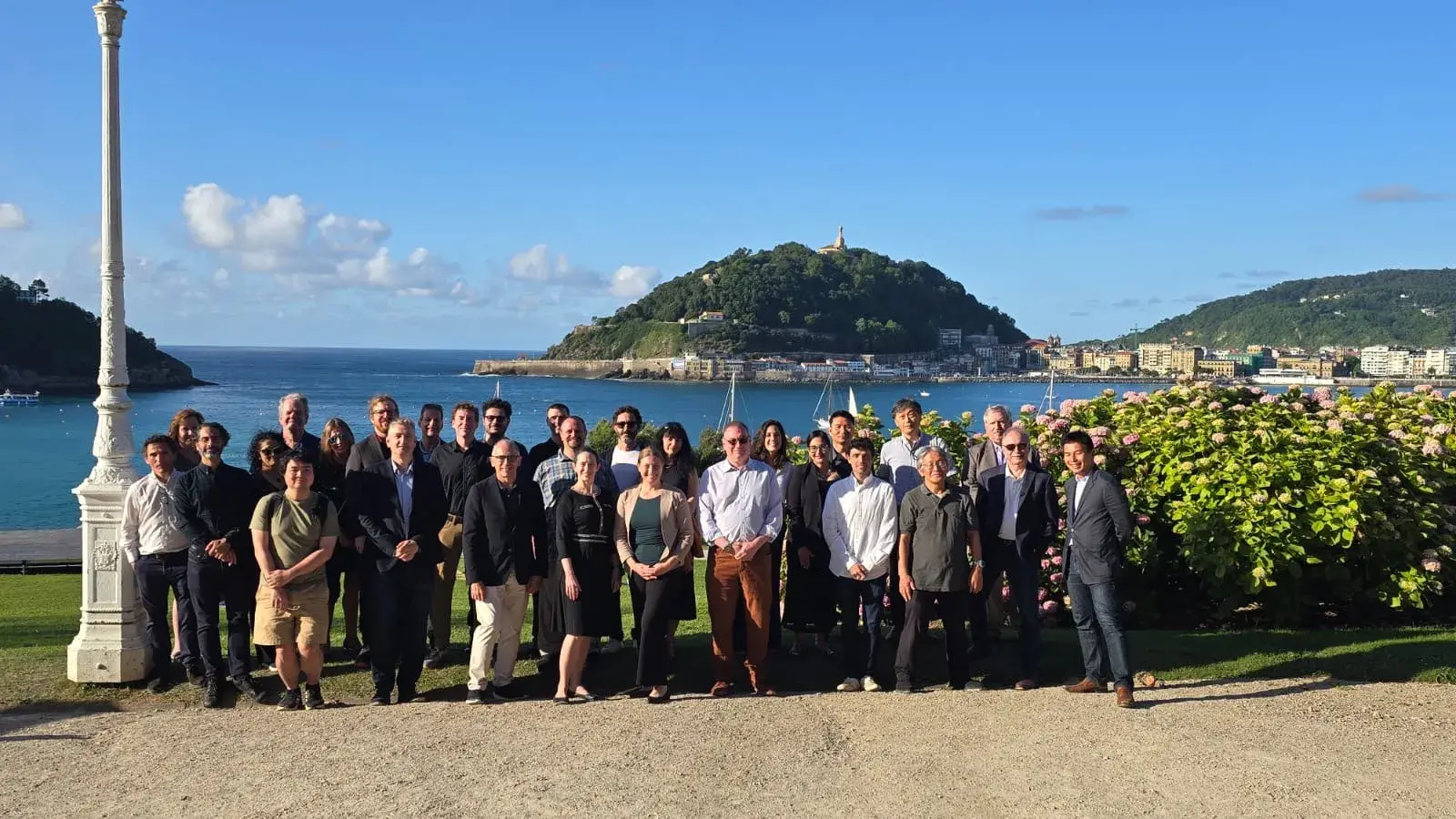
The forum brought together representatives and researchers from the IBM Quantum Network, creating a space for strategic exchange regarding the activities, initiatives, and lines of work currently underway at the various Quantum Computational Centers (QCCs).
During the meeting, participants shared perspectives on the development of the international quantum ecosystem, highlighted their scientific and technical work, and explored new opportunities for collaboration among network members.
Meeting of the seven QCCs
The partners participating in the IBM network, who are meeting in Donostia / San Sebastián, are institutions of internationally recognized prestige in the field of computing and quantum technologies: RIKEN (Japan), Cleveland Clinic (U.S.), Rensselaer Polytechnic Institute (RPI) (U.S.), The University of Tokyo (Japan), Institut Quantique (Université de Sherbrooke) (Canada), and Plateforme d’Innovation Numérique et Quantique du Québec (PINQ²) (Canada). The event was also attended by various representatives from IBM Quantum.
The forum has been organized around three main thematic blocks. The morning has begun with a strategic session in which representatives from each hub has presented the evolution of their respective ecosystems within the IBM Quantum Network and shared organizational models, action priorities, and positioning strategies within their institutional and regional contexts.
This has been followed by a roundtable discussion moderated by Jamie Garcia, Director of Strategic Growth & Quantum Partnerships and Senior Research Executive at IBM, which addressed the key factors for the development of the quantum ecosystem. The discussion has focused on issues such as promoting industrial participation, fostering effective connections between research and industry, and designing educational and community-building initiatives capable of generating sustained value for the QCCs.
This afternoon’s session will be devoted entirely to the scientific activities of the various QCCs, which will present their main lines of research and the most recent results of their work in a forum designed to foster technical exchange and specialized discussion.
The conference will conclude with a joint reflection on the day’s key takeaways and opportunities for future collaboration among the participating nodes, led by the Deputy Minister of Science and Innovation, Adolfo Morais, and the Scientific Director of BasQ, Javier Aizpurua.